To overcome difficulties in the construction materials market, especially cement, the Ministry of Construction proposes to reduce taxes and interest rates; Increase the rate of using reinforced concrete viaducts for highway projects.
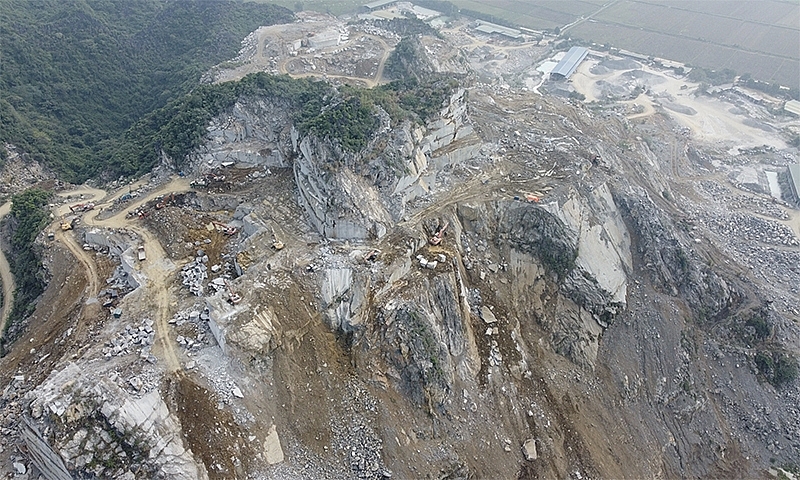
| There needs to be a mechanism to encourage businesses that produce construction materials for deep processing. (Illustration photo: PV/Vietnam+) |
According to experts, the peak season of construction activities usually takes place from September to December every year. This is also the time when the construction materials market is most vibrant. However, at the present time, the demand for construction material products such as iron, steel, bricks, especially cement is at a very low level.
The above reality causes the cement industry to face many difficulties and challenges in both input and output; Even many businesses have had to close or reduce output to minimize damage, and are in need of "oxygen" to breathe.
What causes the cement industry to encounter difficulties?
Recognizing the above reality, Associate Professor - Dr. Luong Duc Long, General Secretary of the Vietnam Cement Association, said that in the history of development of Vietnam's cement industry, from its formation (more than 100 years ago) to Up to now, this is the time when this industry is facing the most difficulties.
The reason, according to Mr. Long, the cement industry is under two sources of pressure. Firstly, output pressure (consumption ability in the domestic market) is poor. Second is the increase in input prices, due to increased prices of energy, coal and electricity, which has created great pressure on the production activities of the cement industry.
“By calculating domestic cement consumption in our country from 2010 to 2020, we found that cement consumption only grows about 1.6%/year. That means the economy's ability to absorb cement is not as calculated. Therefore, it has led to a situation where 'supply' exceeds 'demand' of consumption," Mr. Long emphasized.
In addition, according to a representative of the Vietnam Cement Association, in 2023, the cement market will also suffer another unfavorable factor. That is, the clinker export tax increased from 5% to 10% and at the same time, clinker exports are not subject to the Value Added Tax Law. This makes it more difficult for husbands.
Sharing the same opinion, Dr. Nguyen Quang Hiep - Deputy Director of the Construction Materials Department (Ministry of Construction) said that in the past 11 months, cement production activities decreased by 12%; Domestic cement consumption will decrease by 16% over the same period in 2022. This is a huge difficulty for Vietnam's cement industry today.
| Many real estate businesses are facing difficulties. (Photo: PV/Vietnam+) |
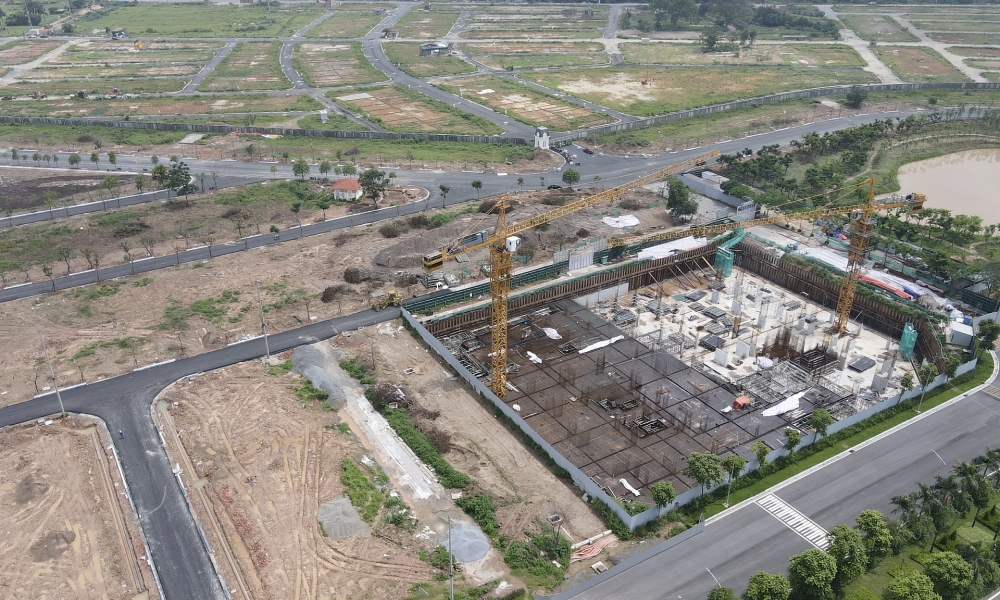
Regarding the cause, according to Mr. Hiep, in recent times the real estate market has been stagnant, many businesses have encountered difficulties, and many projects have had to delay their progress. In addition, construction activities in public investment are also slow, so "demand" for the cement industry has decreased.
In a recently published report, the Ministry of Construction also emphasized that the domestic real estate situation has plummeted, public investment projects have been slow to implement, and global economic instability has impacted the industry's output. construction materials both at home and abroad. As for cement, from the beginning of the year to November 2023, the whole country consumed about 72.4 million tons (4.35% lower than the same period in 2022); while exports decreased by 2%.
From the beginning of the year until now, domestic cement consumption has decreased by 13-15%. Some factories have had to stop operating to reduce inventory (currently 8 cement production lines have to stop operating across the country).
Proposal to reduce taxes and interest rates
Faced with the above difficulties, a representative of the Ministry of Construction said that this agency has consulted with ministries, branches and the State Bank on a series of solutions to overcome difficulties for the materials production industry before officially reporting to the Prime Minister. .
Accordingly, to overcome market difficulties, the Ministry of Construction requested the Ministry of Transport to direct investors to increase the rate of using reinforced concrete viaducts for highway projects currently in the construction phase. especially in areas requiring flood drainage, weak soil areas, and areas lacking road base materials such as the Mekong Delta.
Similarly, localities need to increase the use of cement concrete roads for the construction of rural, mountainous roads and roads in frequently flooded areas.
The Ministry of Construction also requested the Government to propose to the National Assembly to continue extending the implementation of Resolution 101 of 2023 of the National Assembly on reducing value added tax by 2%. as well as amending Decree No. 26/2023/ND-CP of the Government, allowing the temporary postponement of clinker export tax increases (the main ingredient in cement products).
The State management agency in the field of construction and construction materials also proposed to reduce export taxes and have a mechanism to encourage enterprises producing construction materials for deep processing such as: Exporting reinforced concrete structures. steel, autoclaved aerated concrete, mineral additives for concrete/cement from industrial waste.
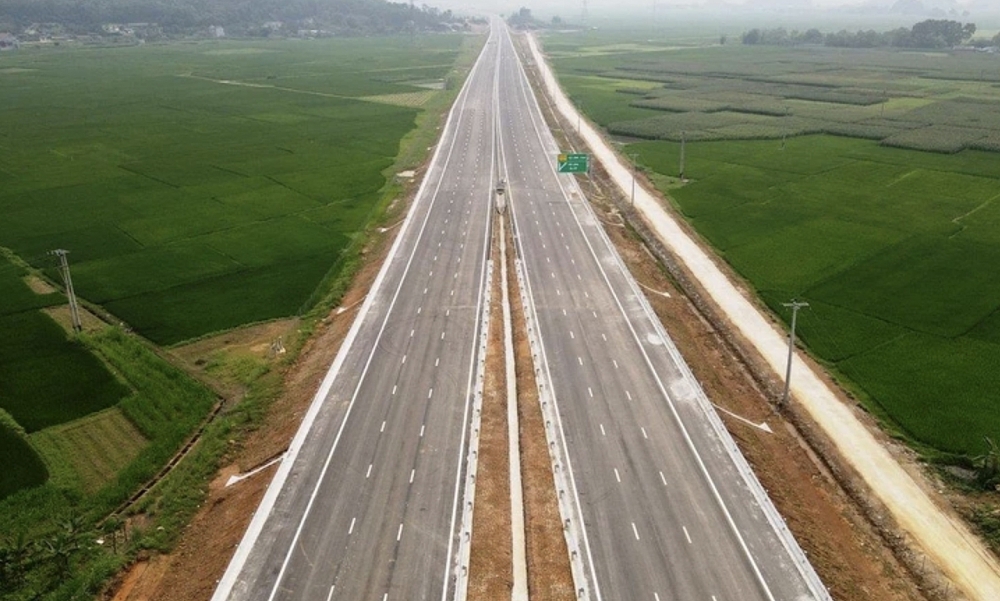
| A section of the Eastern North-South Expressway for the 2017-2020 period has been inaugurated and put into operation. (Photo: Viet Hung/Vietnam+) |
In addition, under pressure from a sharp increase in imported products (for example, tiles), the Ministry of Construction proposed that the Ministry of Industry and Trade investigate anti-dumping on products from a number of countries to impose anti-dumping taxes. when necessary.
In addition, the Ministry of Construction also requests businesses to proactively seek and access foreign markets to promote the export of construction material products that Vietnam has strengths in such as cement, tiles, and construction glass. construction, roofing tiles... while improving competitiveness, diversifying products, and innovating in production.
Sharing more from the perspective of State management, Mr. Nguyen Quang Hiep - Deputy Director of the Construction Materials Department said that in order to remove difficulties for cement production enterprises, in the coming time, localities across the country need to pay attention to the situation. pay more attention to investing in sustainable development of urban infrastructure, transport infrastructure, and irrigation; as well as deploying to remove difficulties for the troubled housing and real estate market.
"Along with that, tax-related policies should be extended, especially clinker export tax needs to be kept at 5% for the next 2 years," Mr. Hiep emphasized.
In addition, Mr. Hiep said that the solution of reinforcing soil with cement to build roads has been applied in the world for a long time. Even Vietnam applied this solution about 20 years ago when implementing reinforcement for weak soil areas.
“This solution uses inorganic adhesive materials and specific projects have also brought economic value and proven effectiveness. Therefore, the direction of soil reinforcement with cement should be given attention, especially in the context of areas implementing traffic projects that lack leveling materials," Mr. Hiep emphasized.
Sharing the same opinion, Dr. Tran Ba Viet - former Deputy Director of the Institute of Construction Science and Technology (Vice Chairman of the Vietnam Concrete Association) said that to achieve the goal of developing roads from now to 2030, in In the coming time, applying the viaduct solution with advanced concrete to replace embankment soil will be a sustainable solution; especially in weak areas such as the Mekong Delta.
According Hung Vo (Vietnam+)